
Decanal church

Where? Place des Tilleuls, L-9575 Wiltz

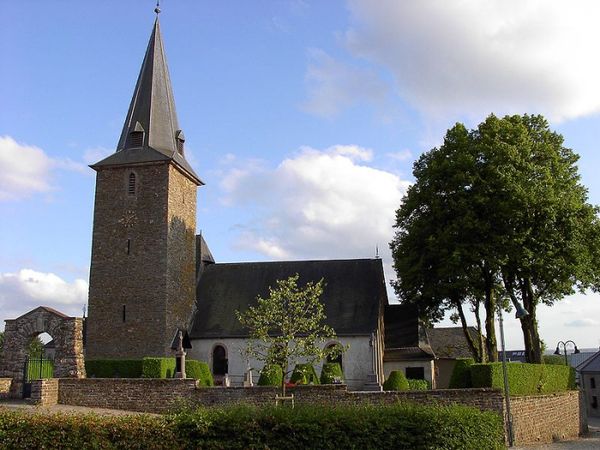
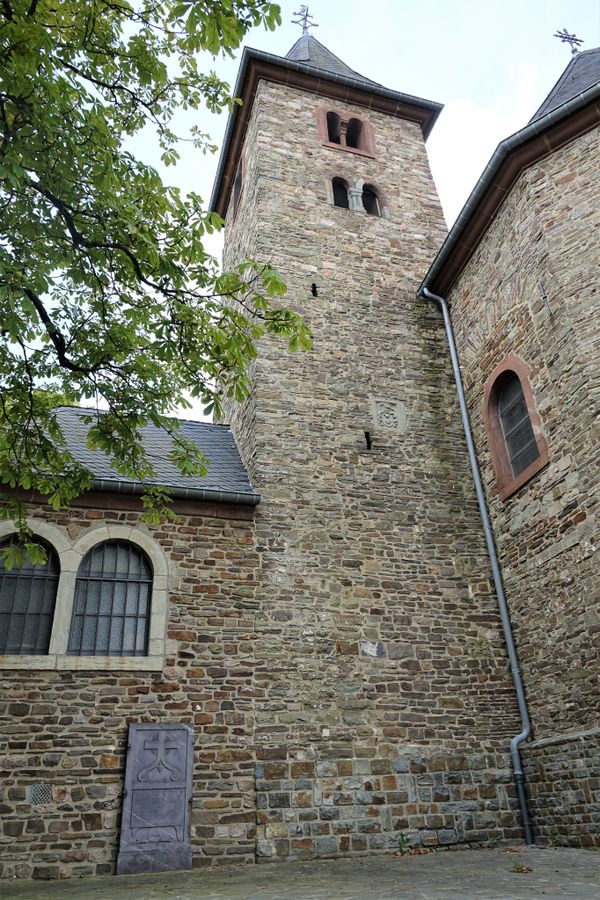
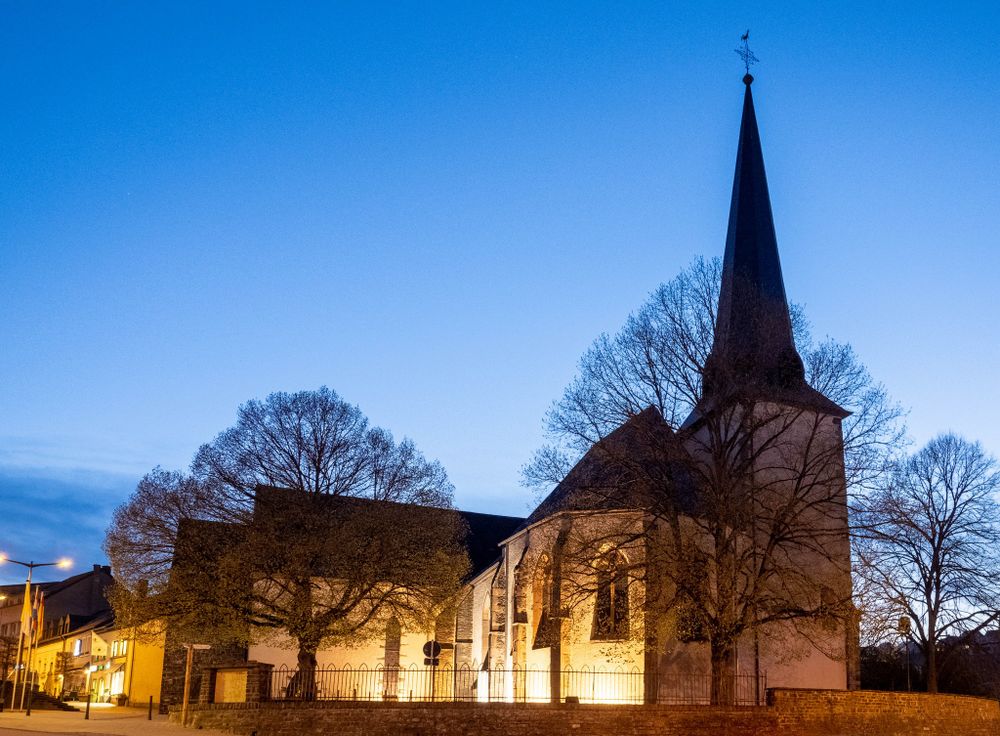
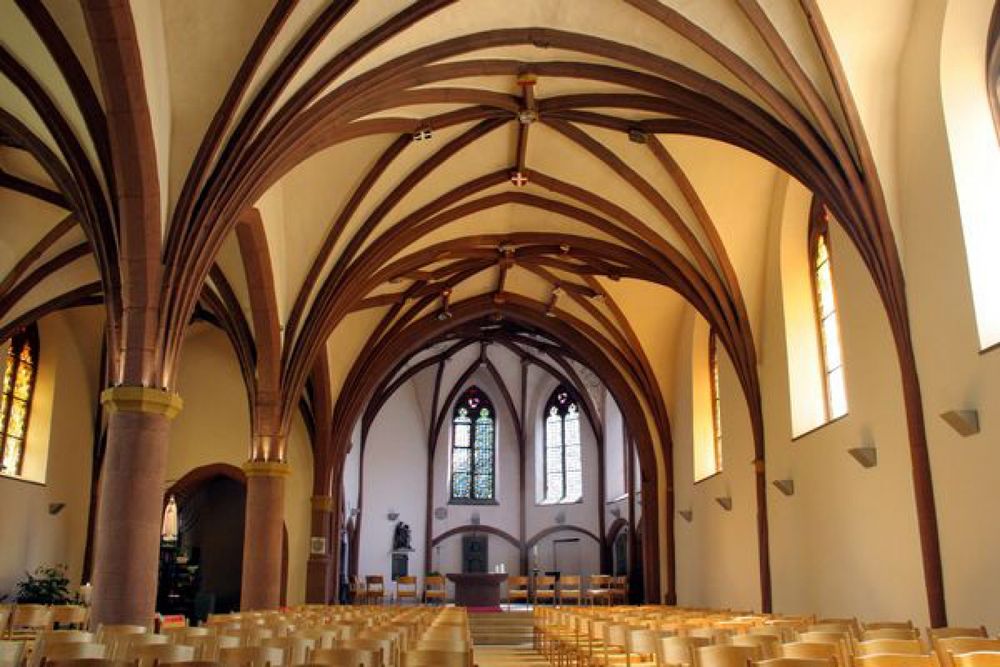
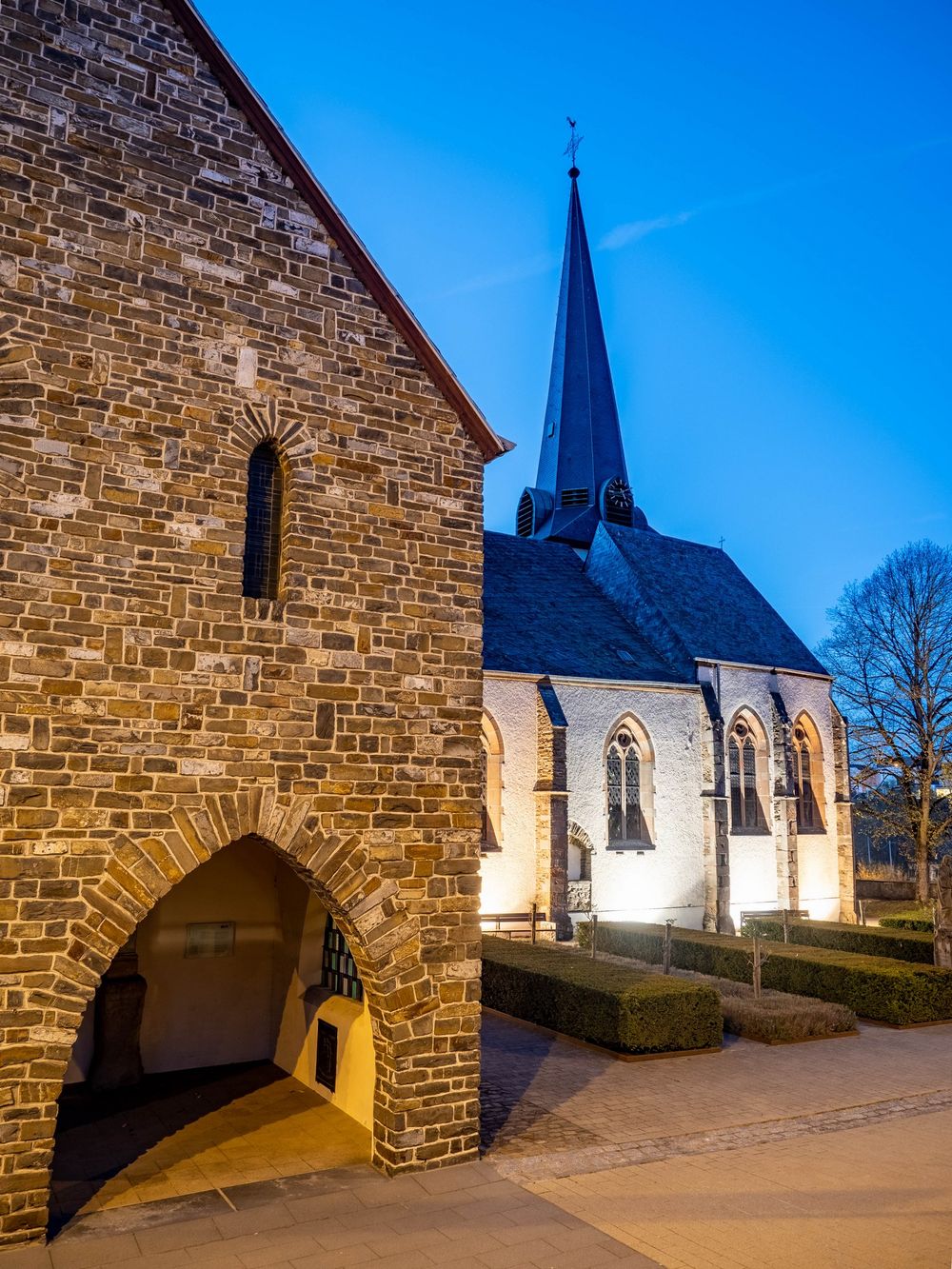
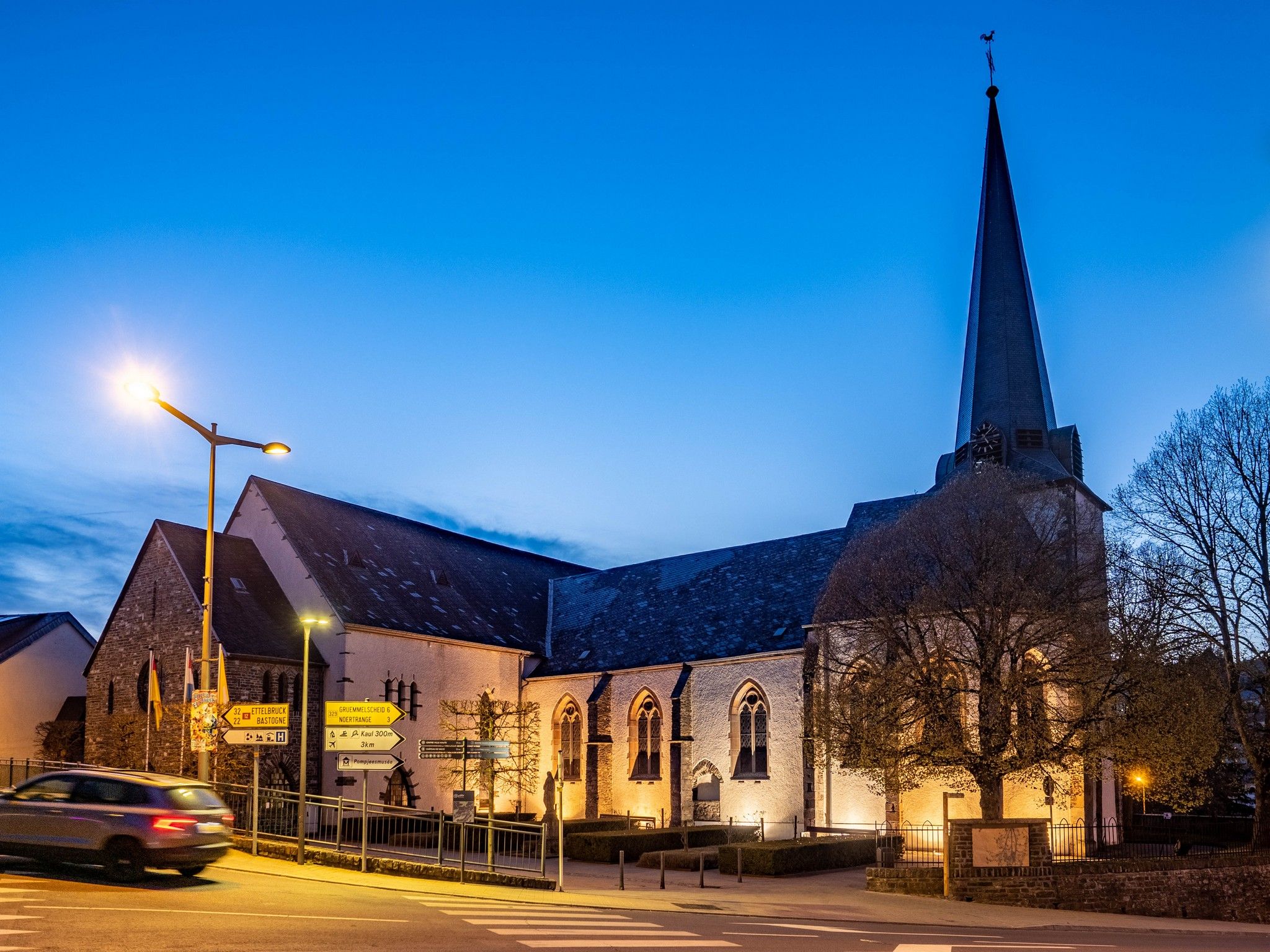
The Wiltz Deanery Church has two naves and was built at many periods, repeatedly destroyed, enlarged and altered. A visit provides an insight into the building's turbulent past.

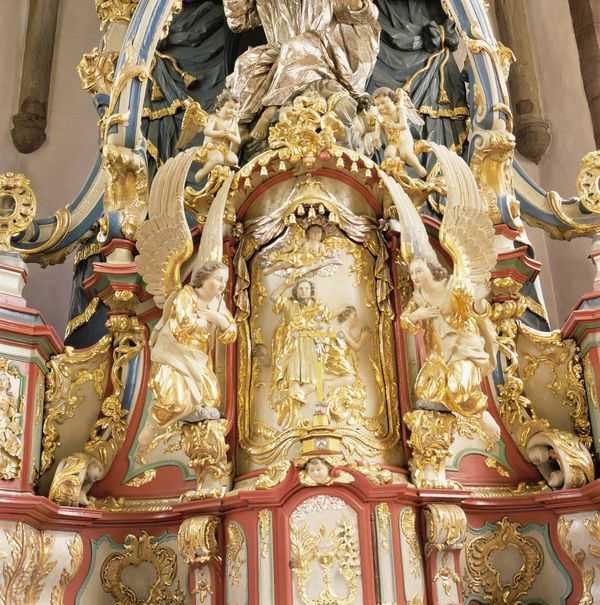
The base of the tower may have been built as a Roman watchtower around the year 300. It seems to have stood alone as a tower at first, and only later became the choir of the first church.The present old part of the church dates from 1510. The roof of the church tower was also built in the same year. In the basement of the tower was the burial chamber of the castle family. The Niederwiltz tower clock was already working 300 years ago. The two side altars, which were built as guild altars in 1720 and 1722, and the old sermon seat are remarkable. The burial chamber of the castle family was first opened in 1844. Two coffins and the bones of four dead people were found in the 12 x 8 x 5.5 foot vault.The tomb was opened a second time in 1859 and after everything had been recorded, it was closed again. When the church was rebuilt in 1937.1938, all the bones found in the former cemetery were poured into this tomb, which was thus largely filled. The nobility was now united with the people. In 1968, all the bones were moved to the new cemetery and the old church, which had been badly damaged in the Battle of the Bulge and rebuilt in 1946, was renovated. Inside, you can admire some tombstones of the nobles of Wiltz.
Opening hours

Contact

Address: Decanal church
Place des Tilleuls
L-9575 Wiltz
Show on map

More sites

©Visit Éislek
St. Cunegonde Chapel
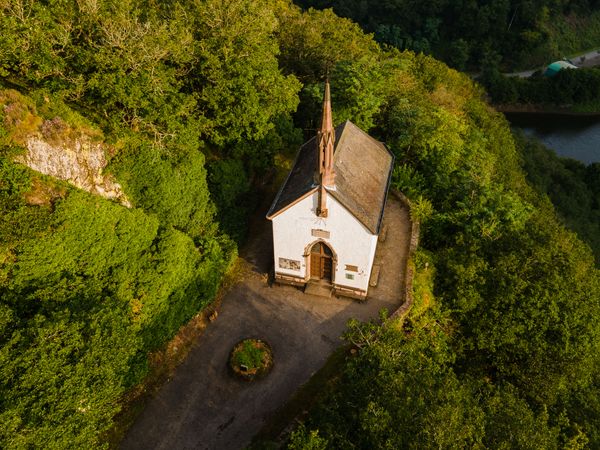
The St. Cunegonde Chapel in Heiderscheidergrund, a noteworthy example of 19th-century ecclesiastical historicist architecture in Luxembourg, features a neo-Gothic design, late Gothic sculptures, 18th-century statues, and glass paintings, embodying the country's historical and national consciousness as the oldest Kunigundis shrine.
Find out more
Anti-tank gun 43
At the Houfëls viewpoint, the imposing presence of two World War II relics awaits visitors.
Find out more
©Jängel Klasen
Veiner Gare – Former Trainstation
Nestled along the River Our, the town of Vianden once boasted a unique railway connection – the "Benny Express." This narrow-gauge line operated from 1889 to 1948, linking Vianden with Diekirch's main railway, a vital step in making the town more accessible to tourists.
Find out more
©Visit Éislek
Bourscheid Hougeriicht – High justice
In the 15th or 16th century, a witch trial in Bourscheid unfolded with accusations of devilish pacts and plots against God's creation. This dark chapter mirrors a broader era of witch hunts in Luxembourg, fueled by societal turmoil, economic struggles, and the fear of a mysterious witchcraft sect.
Find out more
Holy Church Lieler
The Roman Catholic church "Zum Heiligen Kreuz" in Lieler impresses with a Gothic choir tower from the 14th century, accompanied by frescoes from the 16th century.
Find out more
Përmeshaff – Estate ruins
Përmeshaff, a historic site near Kaundorf, traces its roots to 1195. Over the centuries, it evolved into a religious centre, attracting pilgrims to its chapel and healing springs. Despite enduring a devastating fire in 1936, recent archaeological efforts have unveiled layers of its rich history, highlighting significance of Përmeshaff as a cultural landmark.
Find out more
©Tourist Center Clervaux
The Benedictine abbey of Saint-Maurice
With centuries of history and majestic architecture, the Benedictine Abbey in Clervaux invites you to immerse yourself in the past. A place full of charm and meaning, it opens its doors to visitors on the occasion of the daily morning mass.
Find out more
©Visit Éislek
St. Pierre Chapel
The chapel in Lellingen is an octagonal masterpiece that combines history and architecture in unique harmony.
Find out more
Saint-Hubert Church
Discover the fascinating architecture of the church, built on the ruins of a pagan site!
Find out more