
©Gaul’s Legacy Tours

US Memorial Diekirch

Where? 25, Avenue de la Gare, L-9233 Diekirch

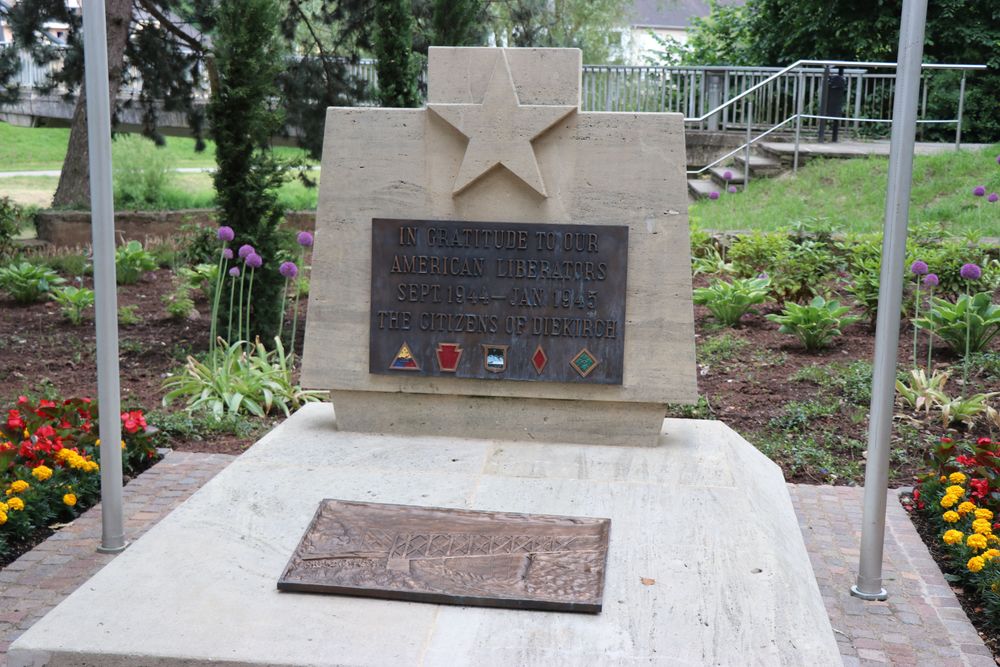
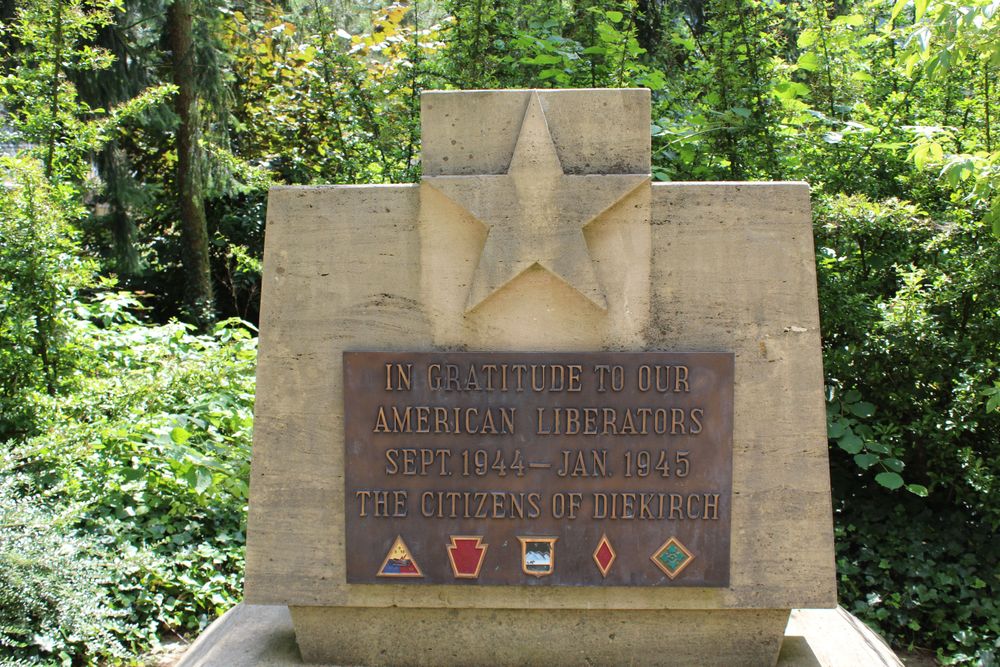
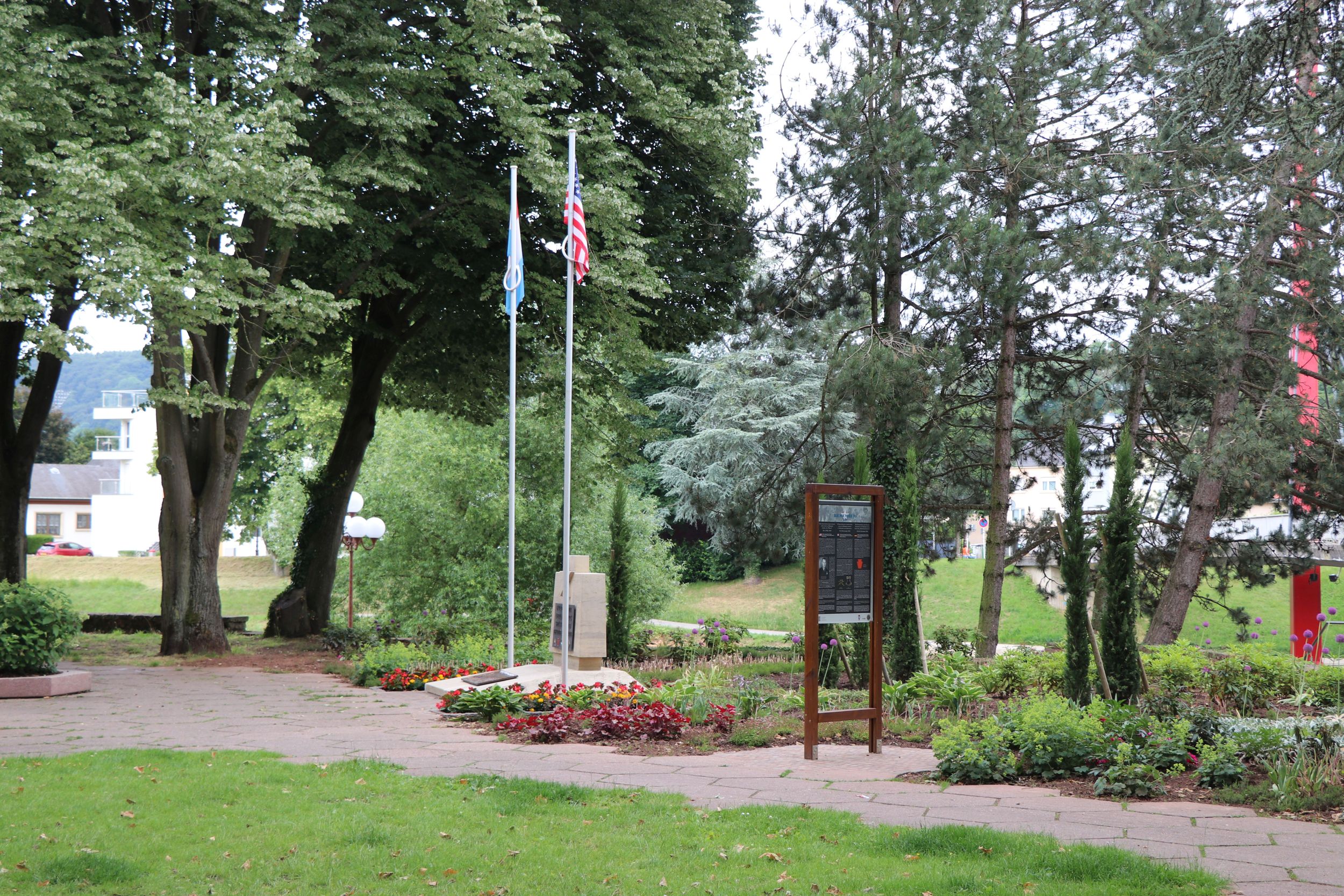
The US Memorial located in the municipal parc of Diekirch river remembers a number of US units that were present in and around the city, September 1944 – February 1945.

The US Memorial of Diekirch is located on the banks of the Sûre next to the pedestrian bridge that spans the river. Inaugurated in 1984 on the initiative of the Diekirch National Museum of Military History on the occasion of the 40th anniversary of the liberation of Luxembourg and the Battle of the Bulge, it pays tribute to all those US military units that were stationed, fought and transitted through Diekirch and surrounding areas from September 1944 to February 1945. 

A bronze plaque at the bottom of the pedestrial of the monument shows the former railroad bridge, replaced later by the present concrete foot bridge. 

Units of the 5th US Armored Division liberated the town for the first time via that railroad bridge. The same bridge was used during the night of December 19/20, 1944 by approximately 6.000 civilians to flee the town in great haste face to the approaching enemy. Finally, the partially destroyed bridge was used in 1945 by units of the 5th US Infantry Division during the “Sauer river” crossing operations. It was repaired to be re-used as again a railroad bridge until 1962.
Opening hours

Contact

Address: US Memorial Diekirch
25, Avenue de la Gare
L-9233 Diekirch
Show on map

More sites

©Visit Éislek
Bourscheid Hougeriicht – High justice
In the 15th or 16th century, a witch trial in Bourscheid unfolded with accusations of devilish pacts and plots against God's creation. This dark chapter mirrors a broader era of witch hunts in Luxembourg, fueled by societal turmoil, economic struggles, and the fear of a mysterious witchcraft sect.
Find out more
©Visit Éislek
free
with theLuxembourgPass
General Patton Memorial Museum
The General Patton Memorial Museum in Ettelbruck commemorates the commander of the 3rd US Army whose troops liberated the town on 25 December 1944. The exhibition illustrates the most important events that occurred during the Second World War in Luxembourg.
Find out more
©385BGMM
W.W.II 385th Bomb Group Museum Perlé
Discover the unfortunate story of two US bombers who collided near Perlé in this military museum.
Find out more
©DCK
Former village mill Weiswampach
The village of Weiswampach holds a unique place in Éislek’s history. While most mills in the region were bound by thirlage laws, forcing villagers to use a specific mill and pay fees to the local lord, the Weiswampach mill was a remarkable exception. Though the mill itself no longer stands, its story reveals the complexities of the past and the ways local circumstances could sometimes defy rigid systems.
Find out more
©Tourist Center Clervaux
The Benedictine abbey of Saint-Maurice
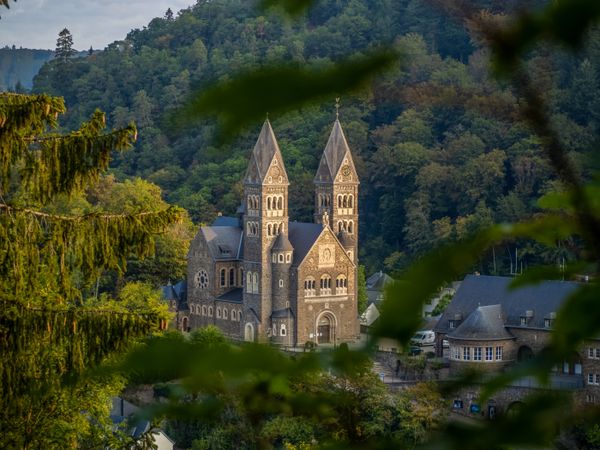
With centuries of history and majestic architecture, the Benedictine Abbey in Clervaux invites you to immerse yourself in the past. A place full of charm and meaning, it opens its doors to visitors on the occasion of the daily morning mass.
Find out more
©Commune de Troisvierges
Troisvierges Trainstation
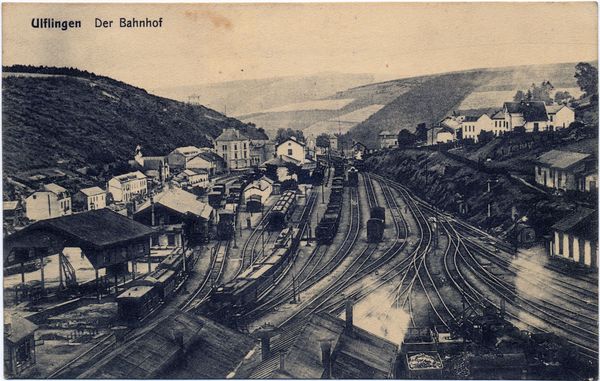
Troisvierges Station's story mirrors a dynamic era in European history. From a modest border stop, it transformed into a vital transportation hub, only to witness the turmoil of war and the gradual shift toward quieter days.
Find out more
©Visit Éislek
Museum of the Battle of the Bulge Wiltz
Discover the moving history of the "martyr town" during the Battle of the Bulge in the interactive museum in Wiltz. Experience history up close in the beautiful Wiltz Castle.
Find out more
©Visit Éislek
Kalborn Mill
The mill in Kalborn, which is over 200 years old, has developed into a nature conservation centre. Endangered river pearl and brook mussels are bred here. Information boards in front of the mill show how gardens can provide habitats for wildlife and insects.
Find out more
Decanal church
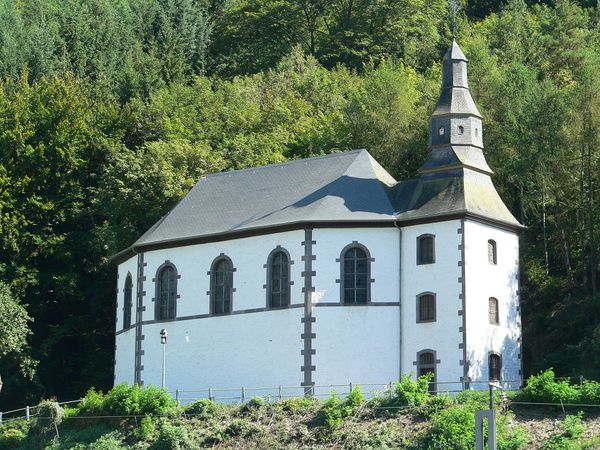
The Wiltz Deanery Church has two naves and was built at many periods, repeatedly destroyed, enlarged and altered. A visit provides an insight into the building's turbulent past.
Find out more